


What to do when an open floor plan gives a home scale but strips it of spatial identity? The broken floor plan answers with architecture and material transitions that carve defined areas from continuous footage. This trending approach has become one of the most requested layout strategies among our top designers in recent years. Read on to see how they pull off the look!
What Exactly Is a Broken Floor Plan?

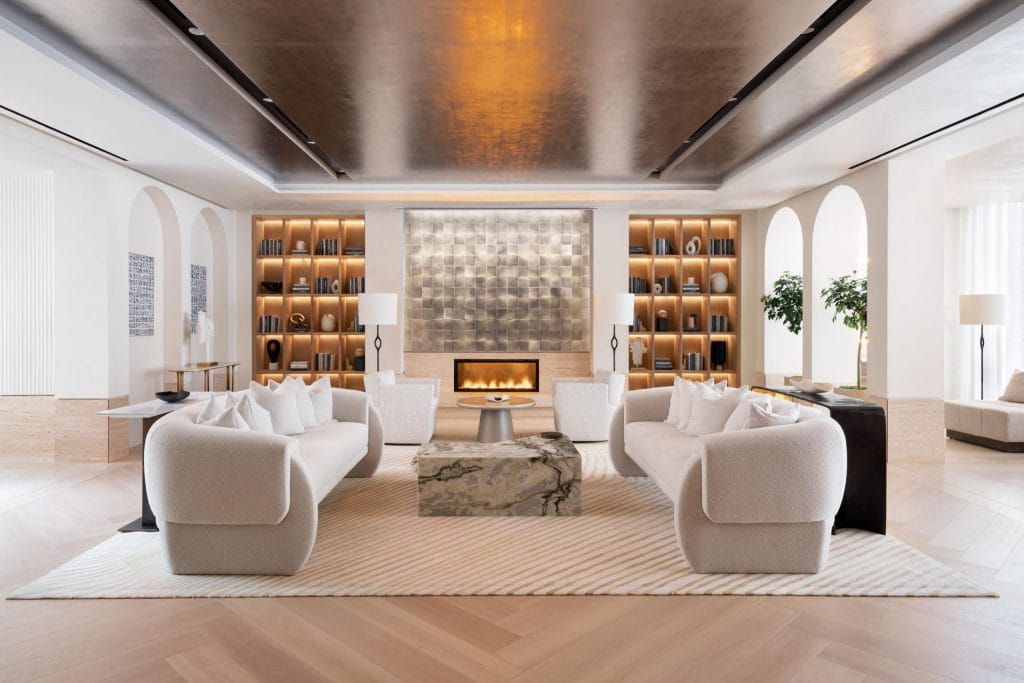
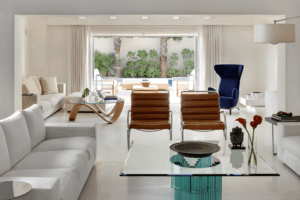
A broken floor plan in contemporary interior design falls between the fully open layout and the traditional room-by-room model. It uses architectural elements to mark where one zone ends and another begins. Half-height walls, glass panels, arches, ceiling-plane shifts, color-coding, and changes in floor material all serve this role. Sightlines remain largely continuous, though.
This trending design term gained traction in the UK design press around 2015 and has since entered standard vocabulary among architects and residential designers globally. It describes a method, not an aesthetic. A broken-plan layout works in a Victorian terrace and a new-build apartment with equal logic. The common thread is spatial legibility—each zone holds its function, and daylight still reaches the full depth of the floor plate.
Benefits of Broken Floor Plans

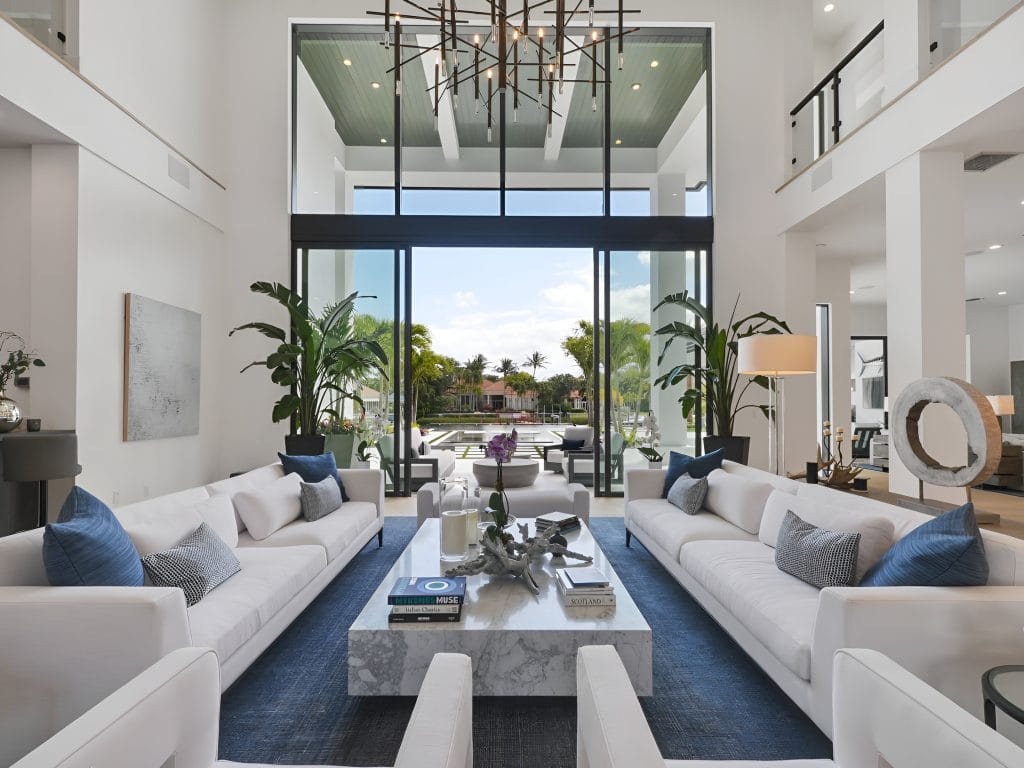
A broken-plan layout addresses several practical concerns that wide-open interiors tend to generate.
- Acoustic control. Partial walls and material boundaries reduce sound transfer between zones. Cooking and conversation can happen near focused work areas.
- Furniture anchoring. Defined edges give pieces clear placement logic, so layouts hold together on their own spatial terms.
- Natural light distribution. Glazed or low-height partitions let daylight travel uninterrupted.
- Climate efficiency. Segmented volumes respond faster to heating and cooling than a single open expanse.
- Visual containment. Each zone screens its own daily clutter. A raised island back, for instance, hides prep surfaces from the dining side.
- Long-term flexibility. A broken-plan home adapts to changing routines with minimal structural work as the household evolves.
Designer Insight: A broken floor plan works across almost any aesthetic. Not sure what style you’re drawn to? Try our Free Interior Design Style Quiz to find out today!
Leading Broken Floor Plan Ideas

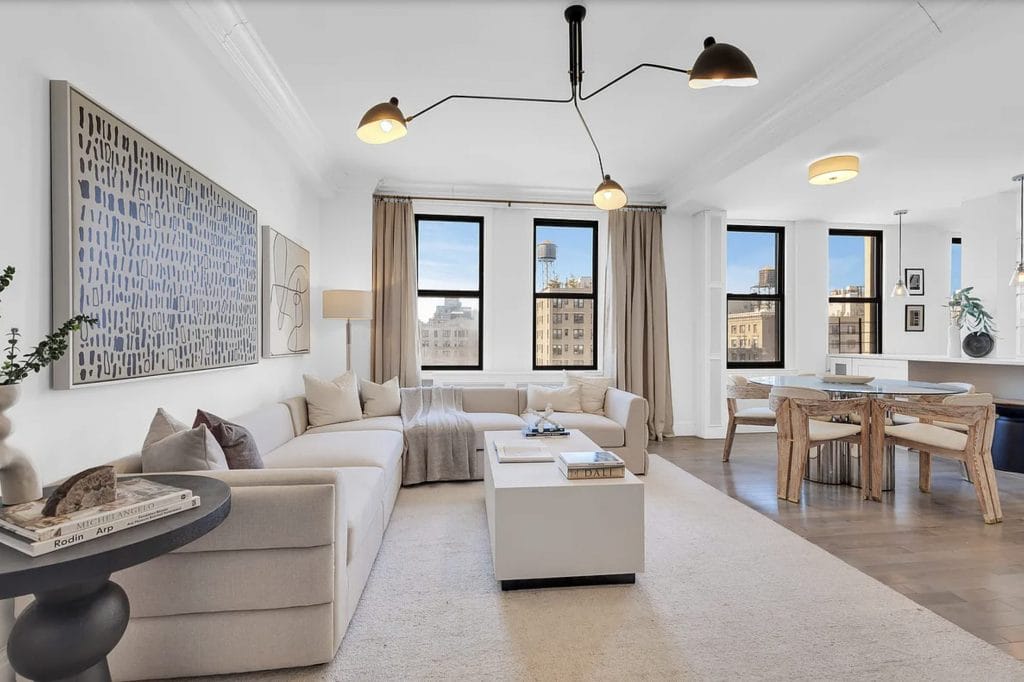
The best broken-plan interventions are specific to the architecture they occupy. Scale, ceiling height, and the home’s structural grid all determine which strategy fits. These five approaches each solve a different spatial problem.
1. The Spine Wall
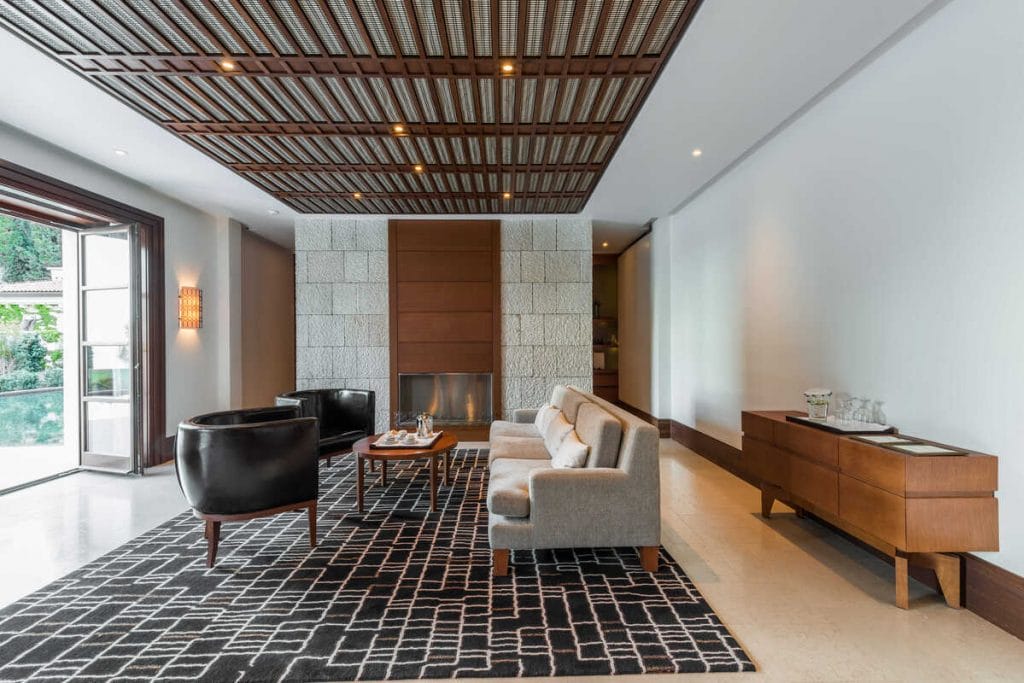
A single partial wall running along the main axis of the floor plate divides the space into two (or more) flanking zones. Typically, it’s living on one side, kitchen and dining on the other—with open passage at both ends.
The wall can double as a surface for art, a fireplace, recessed shelving, or integrated lighting. This is the most architecturally committed form of broken-plan design, and it reads with real authority in homes with generous linear footage.
2. Stepped Floor Zones
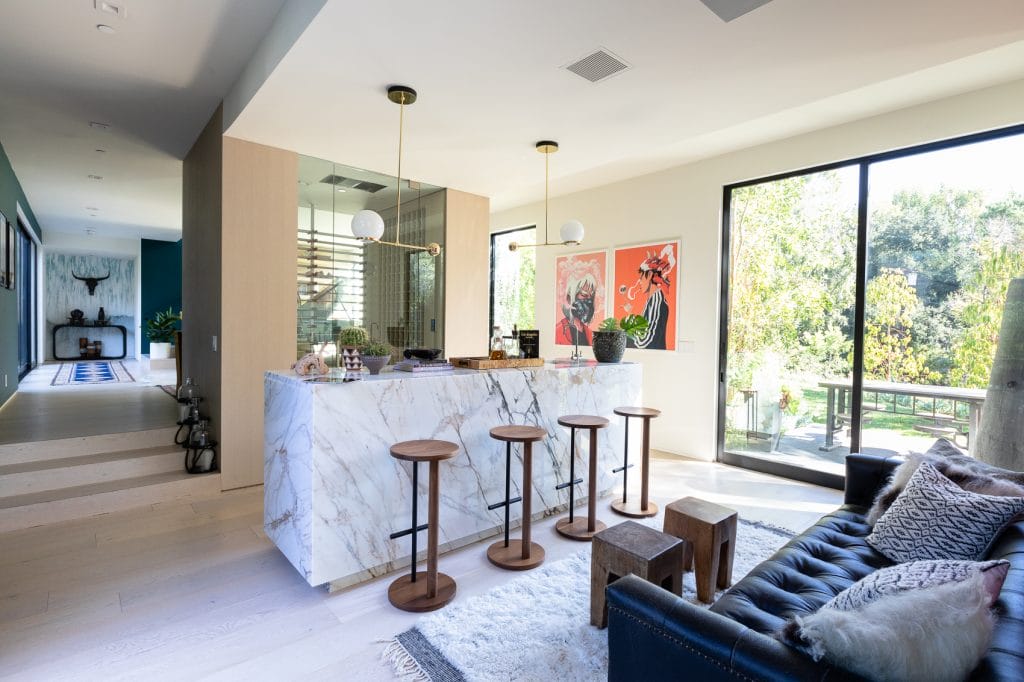
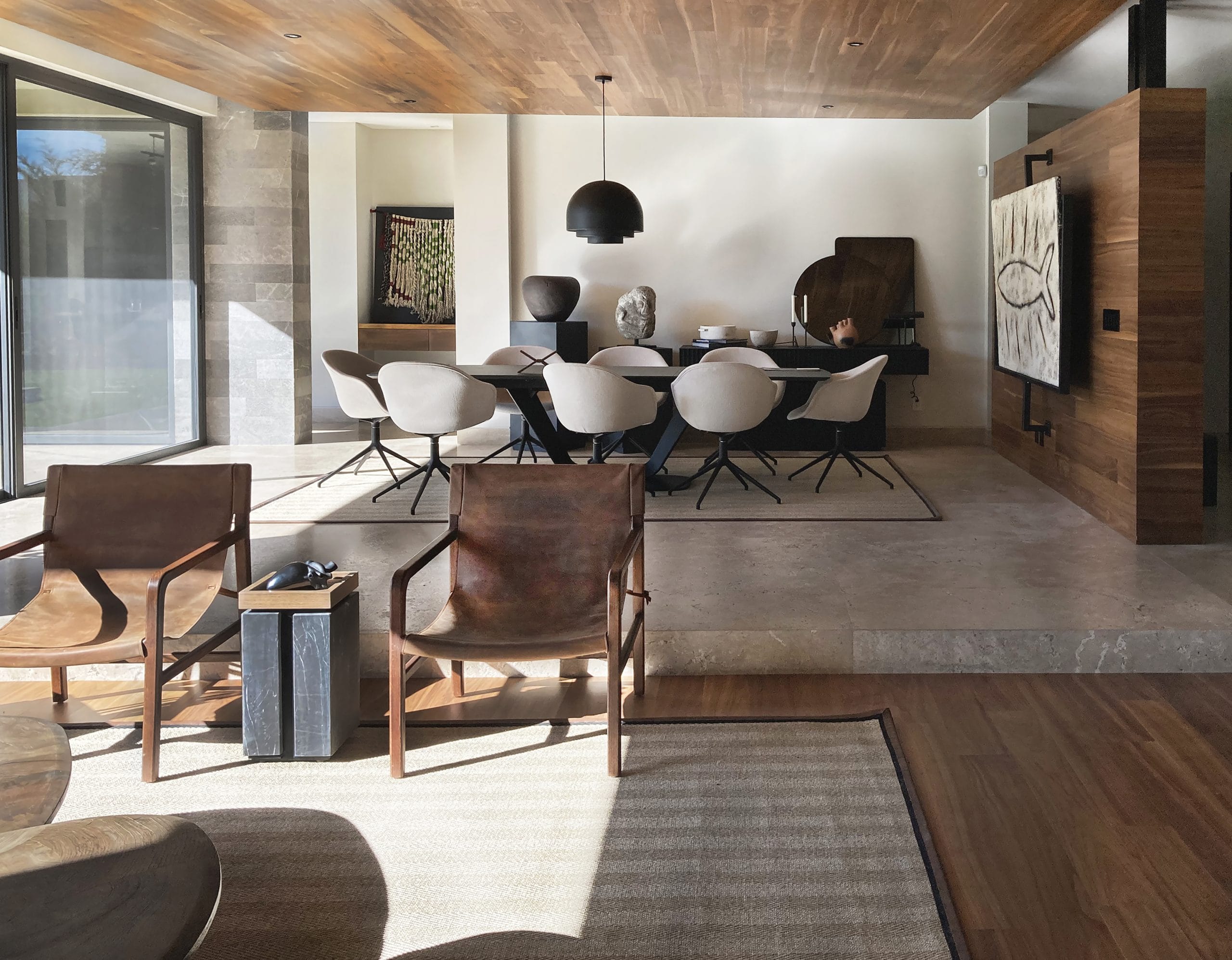
A slight level change creates a room boundary with no vertical partition at all. Such sunken or raised zones read immediately as separate territory. Living rooms benefit most from this treatment; the step down shifts posture and pace. Material can also change at the transition point or carry through consistently.
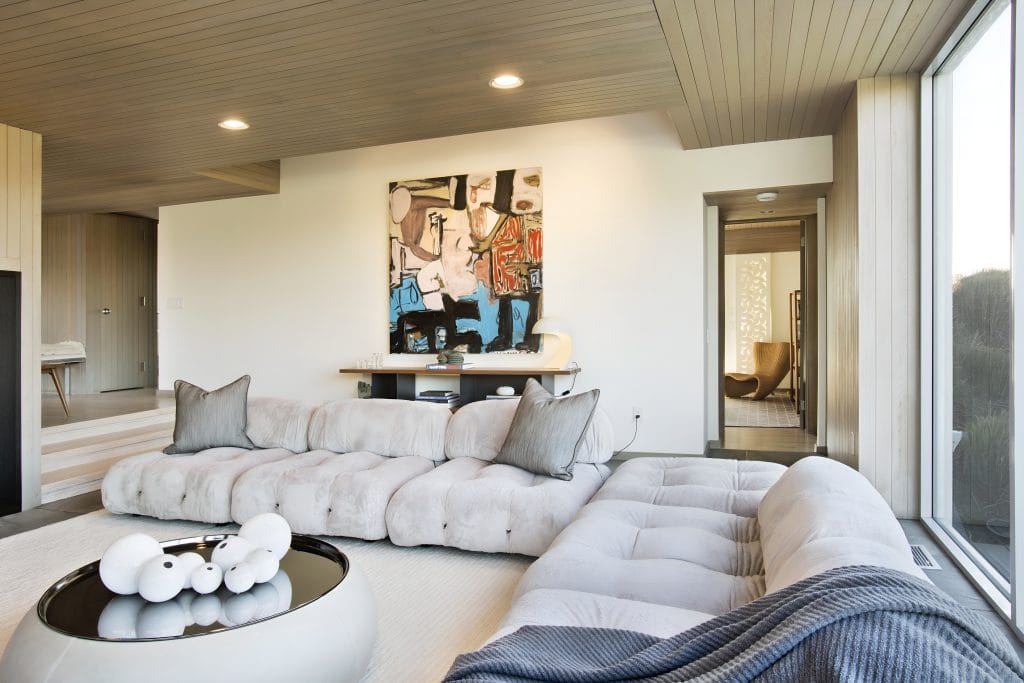
The level shift alone delivers the spatial message, while rugs and lighting reinforce the zoning further. Mid-century homes used this technique extensively, and it remains one of the most underused tools in contemporary broken-plan layouts.
3. Ceiling-Plane Mapping
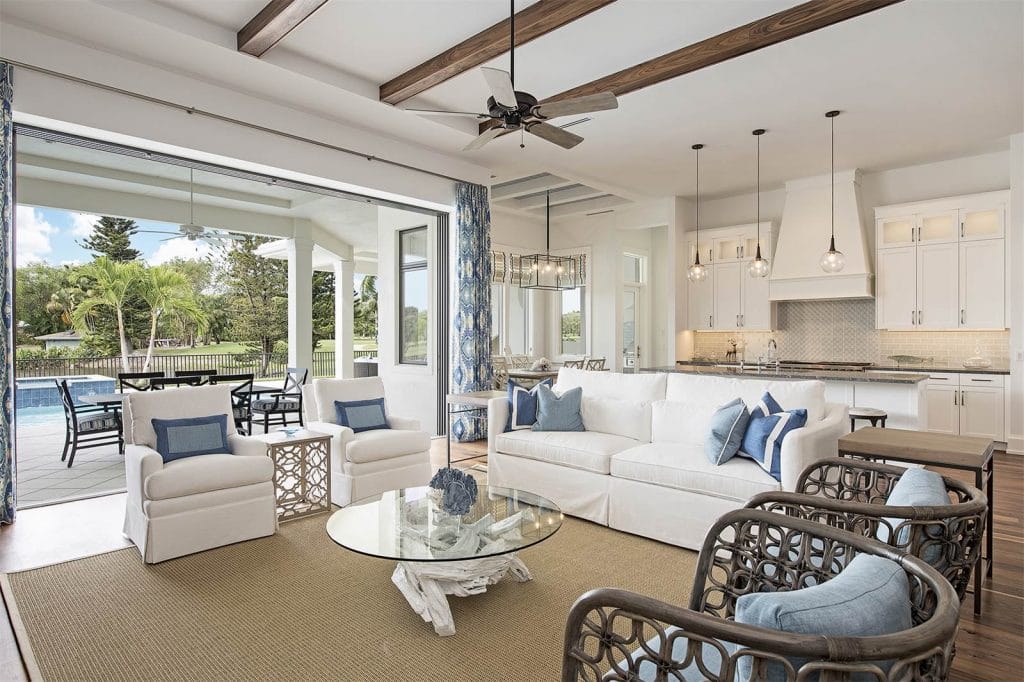
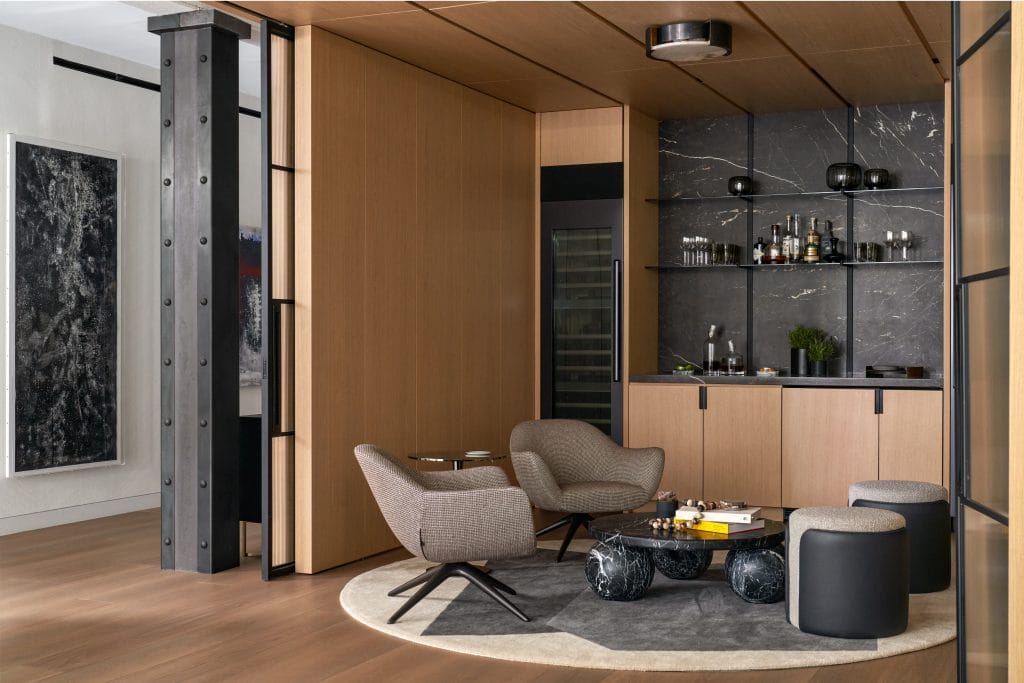
The boundary can happen overhead, too. A lowered soffit above the kitchen or a beamed frame around the dining table signals a zone change from above. Floor-level partitions typically stay minimal in this case, letting the ceiling carry the spatial work. Material contrasts—timber battens against smooth plaster, for instance—sharpen the effect.

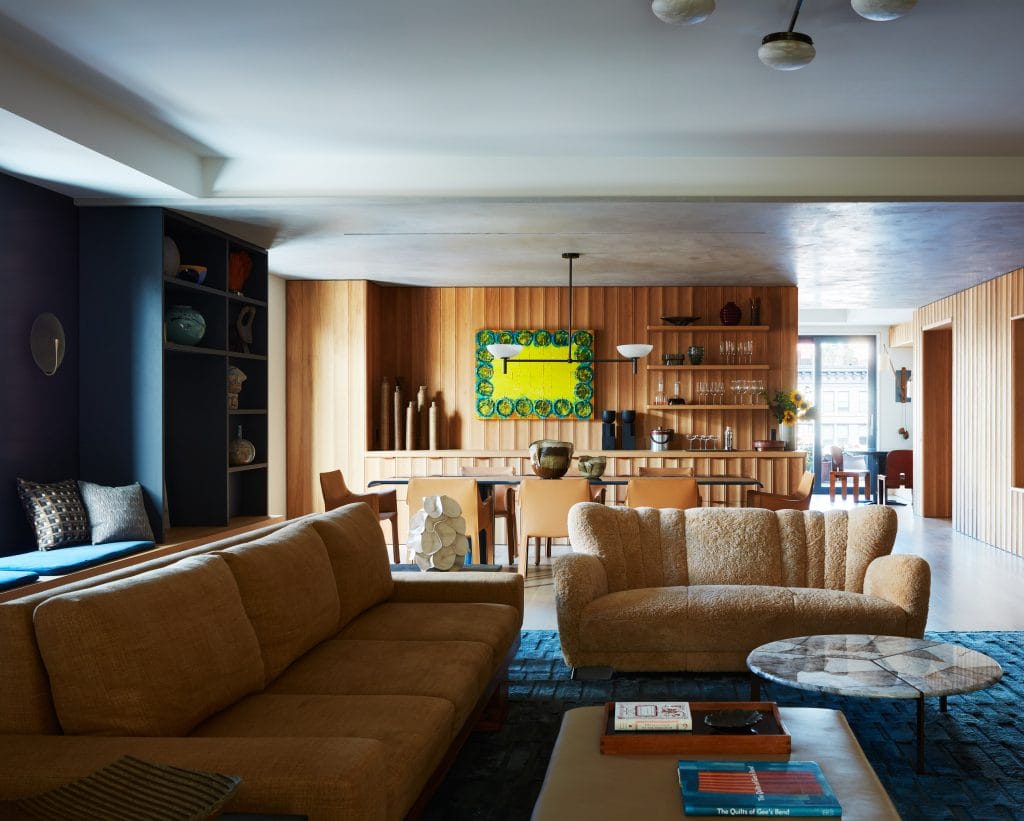
This technique suits loft conversions and warehouse residences particularly well. In such spaces, structural perimeter walls often cannot be altered, and open volume is the defining characteristic.
4. The Hearth as Spatial Hinge
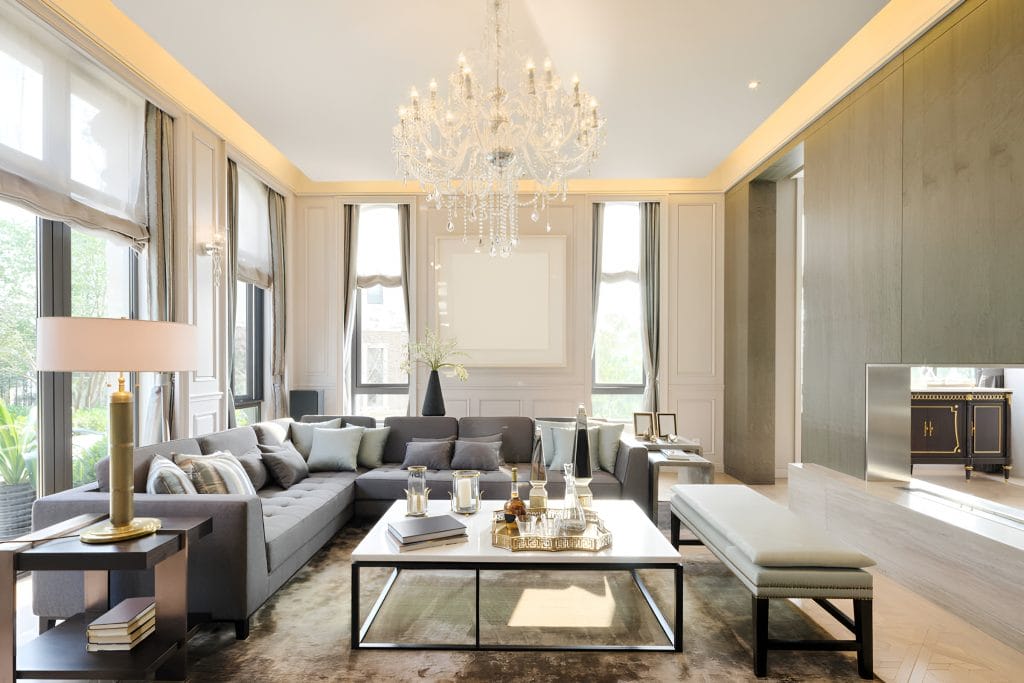
A double-sided or freestanding fireplace anchors two zones around a shared vertical mass. The hearth becomes a visual and thermal center that orients both areas inward.
In broken-plan living rooms, this arrangement allows the kitchen or dining zone to occupy the opposite face of the fire wall with complete functional separation. The fireplace mass also absorbs sound, adding a welcome layer of acoustic division.
5. Color-Coding Zones in a Broken Floor Plan
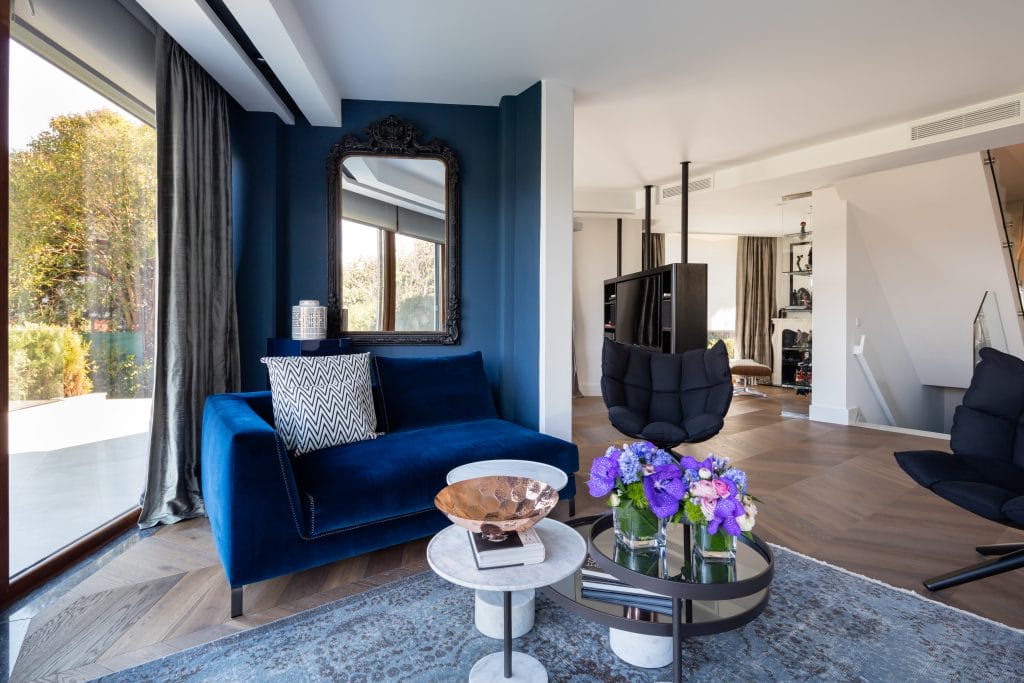
A shift in color marks territory as effectively as a physical partition. It could be a gentle tone transition or a bold accent wall; both options work well. The boundary registers immediately. Flooring can flow uninterrupted or change at the same threshold to reinforce the signal.
Color-coded zones work especially well in rental properties where structural changes are limited. The whole intervention reverses in a weekend.
6. One-Sided Half-Walls for Broken-Plan Layouts

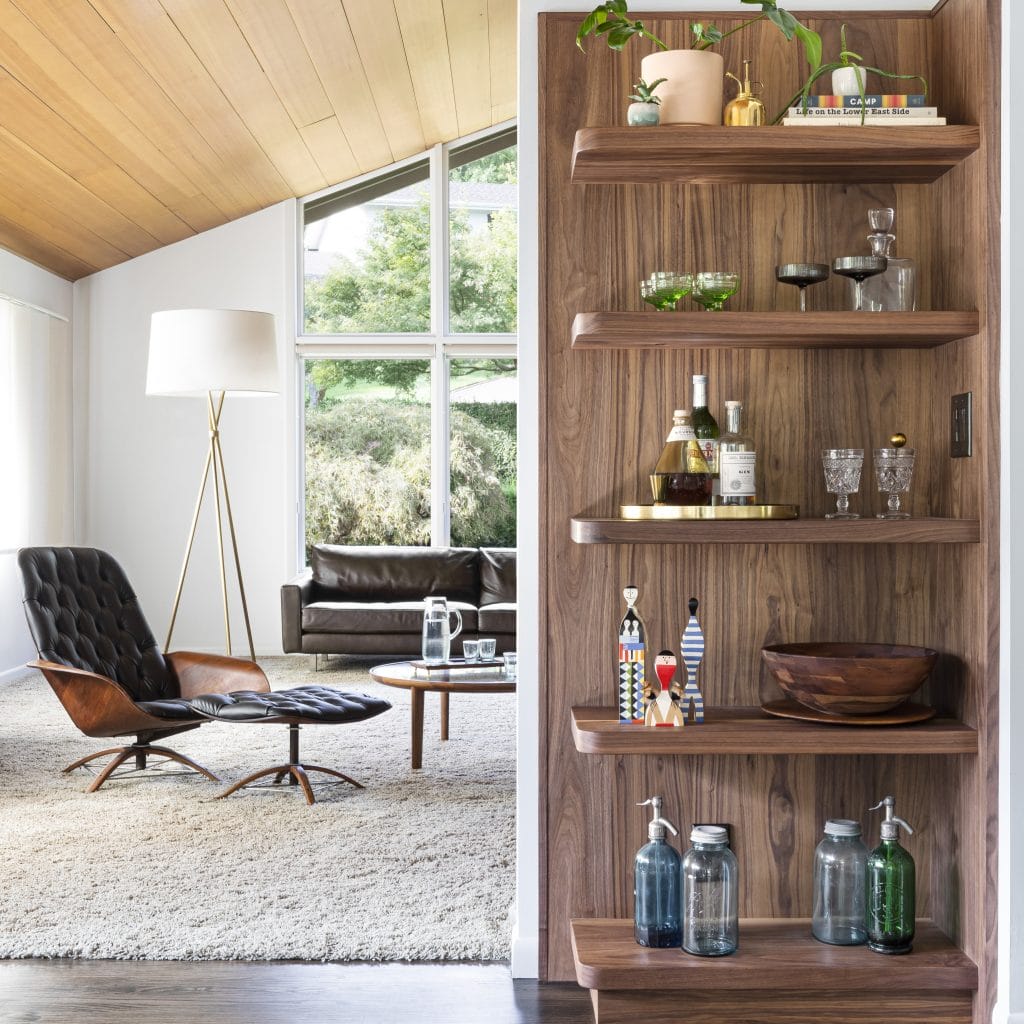
A vertical half-wall projecting from a single side wall creates a broken-plan boundary with minimal material. The depth of the projection determines how much visual separation the zone receives. Even eighteen inches begins to register as a room edge.
Kitchen pass-throughs benefit from this approach. The wall provides counter return space where the cook works and a clean furniture backdrop facing the living area.
7. Arches and Widened Openings

An arched or cased opening between rooms signals transition through form alone. The wall stays intact; the opening widens to share light and sightline across zones. You can combine this with ceiling mapping and beams for added effect.
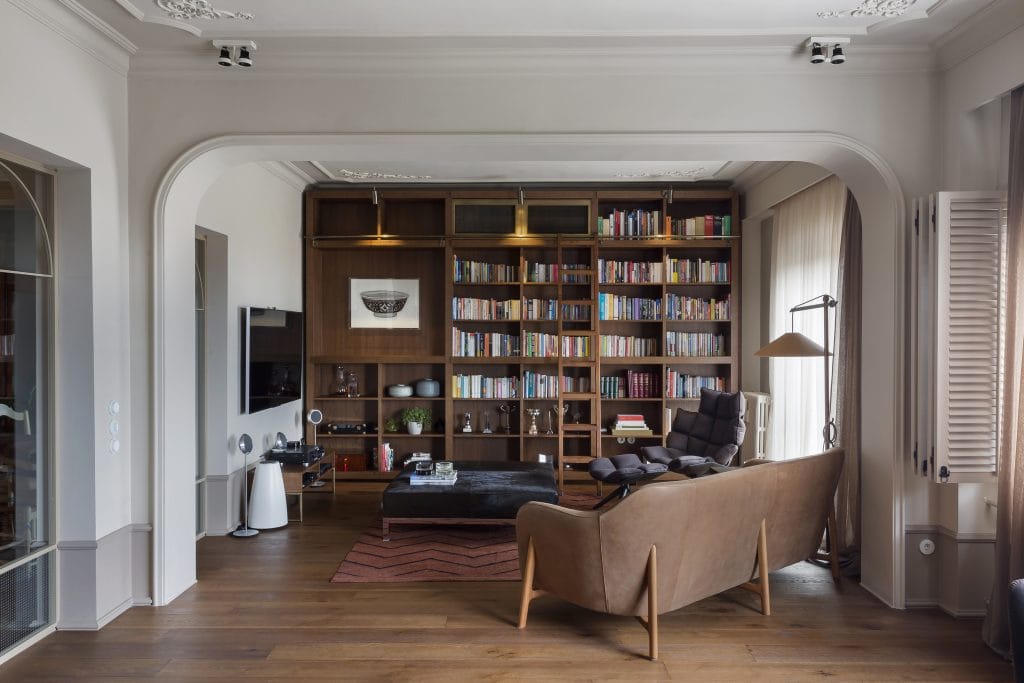
In general, plaster arches suit older homes with load-bearing interior walls, while squared steel-framed openings do the same work in more contemporary floor plates. The result is a broken-plan threshold that acknowledges the original room structure while still opening its edges to the adjacent space.
8. Overhead Beams and Vertical Slats as Broken-Plan Dividers

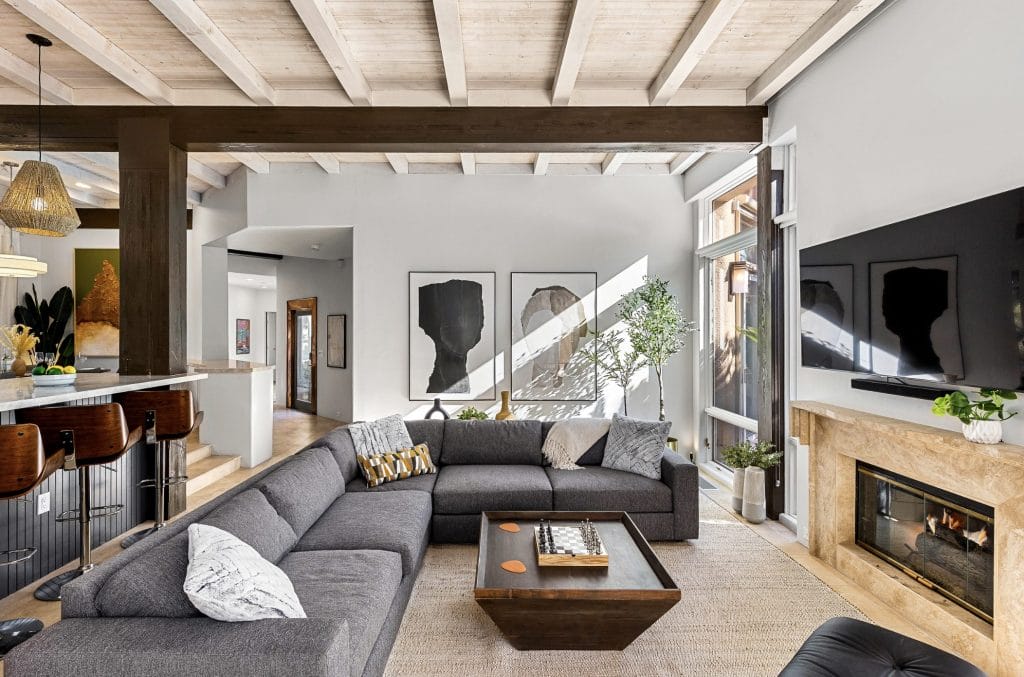
A single exposed beam running perpendicular to the floor plate draws a line between zones at ceiling level. The division is subtle but spatially legible. Beam placement tends to follow existing structural lines, which gives the broken-plan division an architectural inevitability. Adding a vertical column strategically creates a frame that produces a psychological effect almost as strong as a solid boundary.

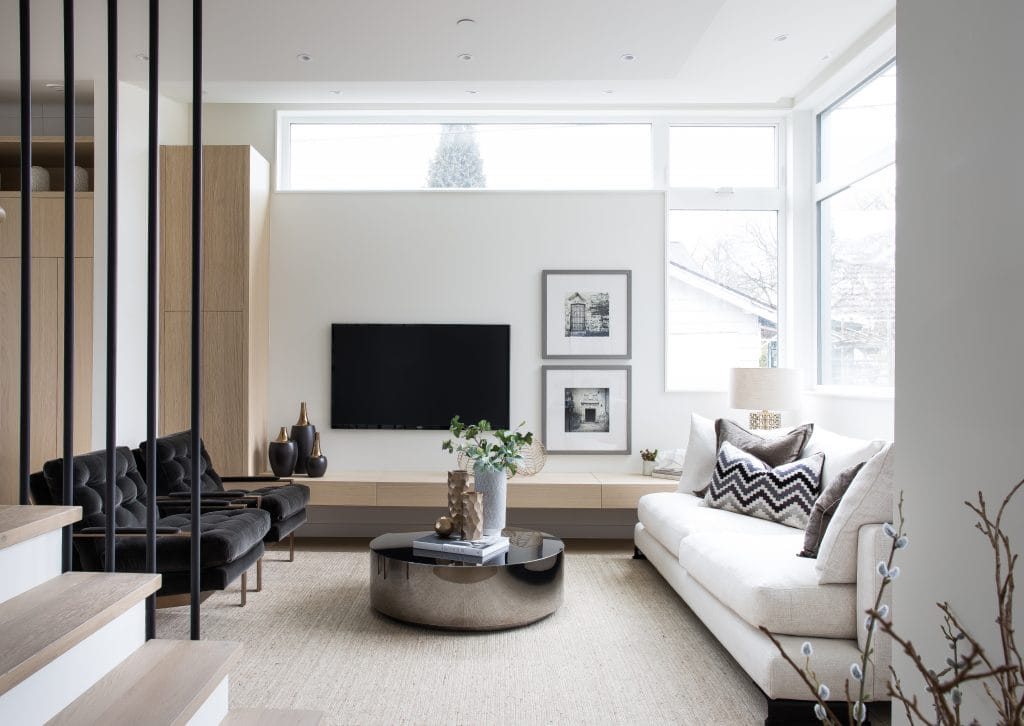
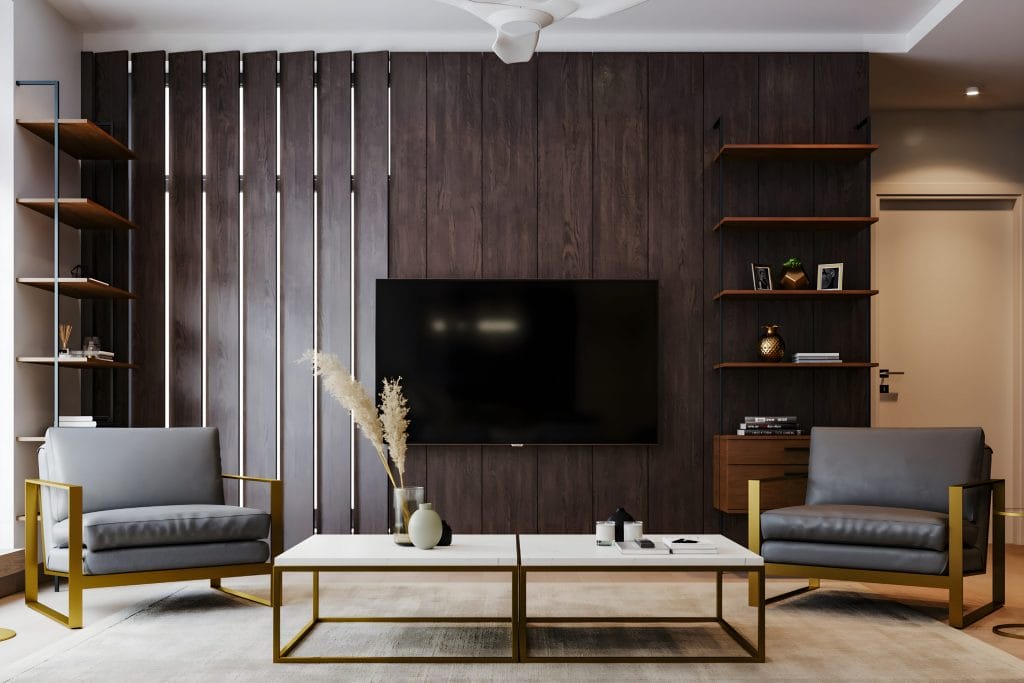
Vertical timber slats operate on a different axis—floor to ceiling, filtering sightlines and light. Slat screens work well between dining and living zones, where full enclosure is unnecessary.
9. Pivoting Screen Systems
Full-height pivoting panels at zone thresholds give a broken floor layout real-time flexibility. The panels rotate to open sightlines across the full floor plate or close to form distinct, acoustically separate rooms. They also filter light and maintain visual texture even when shut.
Few residential interventions offer this level of daily adaptability, and the hardware has become substantially more refined in recent years.
Broken Floor Plan FAQs Answered
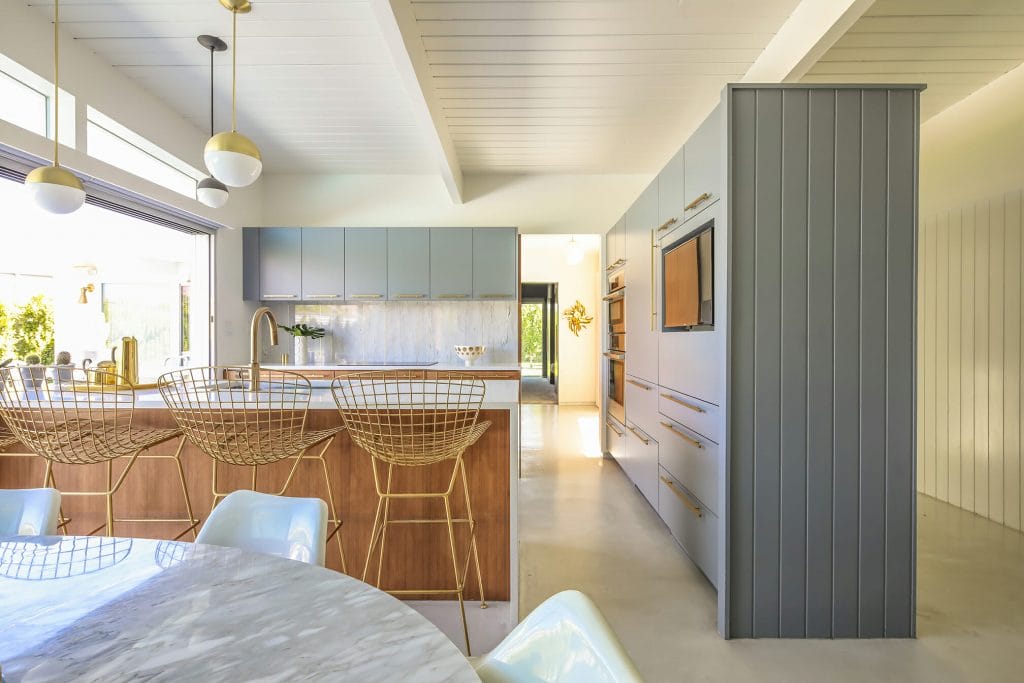
Not quite. An open floor plan removes walls entirely, while a broken floor plan uses architectural elements, half-walls, arches, ceiling shifts, and level changes to carve defined zones within that openness. You get the flow and light without losing the sense that each area has its own purpose.
Color-coding and half-walls are the safest starting points. They create definition without consuming floor area. A spine wall or stepped zone needs more room to read properly. In rentals or compact spaces, even a simple color shift or an eighteen-inch wall projection can be enough to signal a zone change.
It comes down to ceiling height, natural light, and whether structural changes are possible. Ceiling-plane mapping suits loft-style spaces; a hearth works better in homes with generous linear footage. A designer can also assess your specific architecture and recommend the right fit.
Want a floor plan that finally feels right?
Get matched with a designer who understands broken-plan living. Book your Free Online Interior Design Consultation to start your project today!